
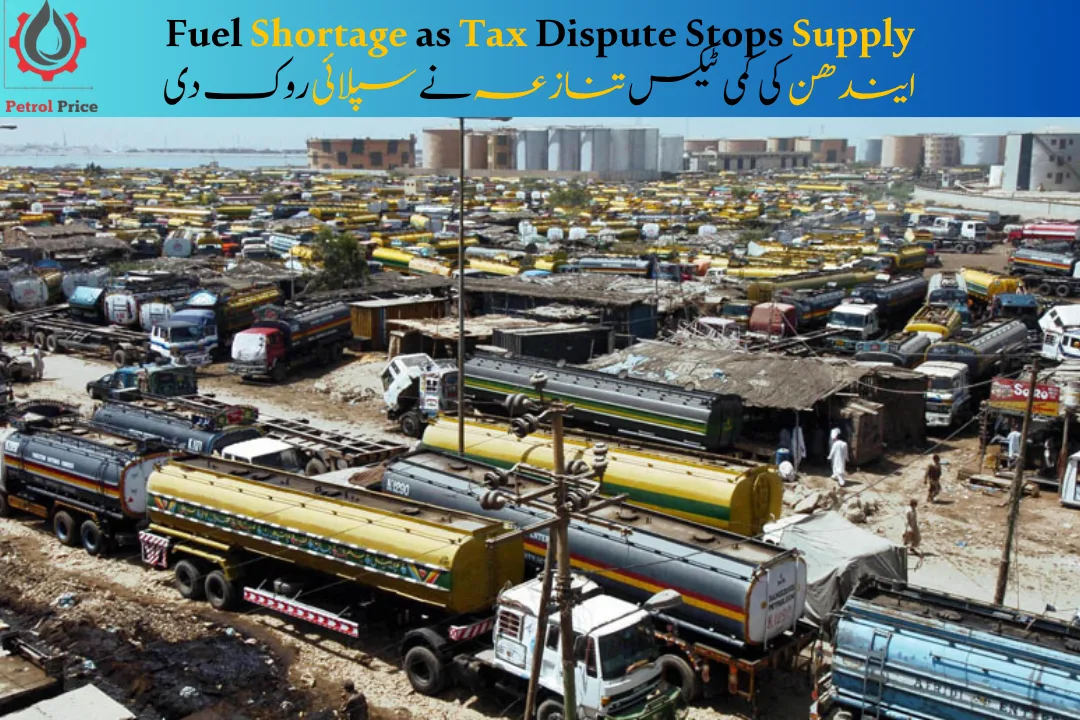
Fuel Shortage as Tax Dispute Stops Supply
Fuel Shortage as Tax Dispute Stops Supply between the government of Sindh and petroleum companies has escalated into a critical situation that raises fears of a nationwide fuel shortage. According to reports the conflict centers on the Infrastructure Development Cess which the provincial government has re-imposed with strict payment requirements. The decision has delayed the clearance of petroleum cargo at Karachi Port of Pakistan and Pakistan’s key gateway for imported fuels and could soon disrupt petrol and diesel supplies across the country if not resolved promptly.
Dispute Background
The Infrastructure Development Cess was first introduced in Pakistan in 1994. Petroleum companies challenged it in court and for many years cargo clearance continued through a mutual understanding mechanism where an undertaking was accepted instead of upfront payment.
However, following a recent Supreme Court ruling in favor of the Sindh government, the province has moved to strictly enforce IDC collection which demands full 100% bank clarity from companies before clearing any fuel shipments.
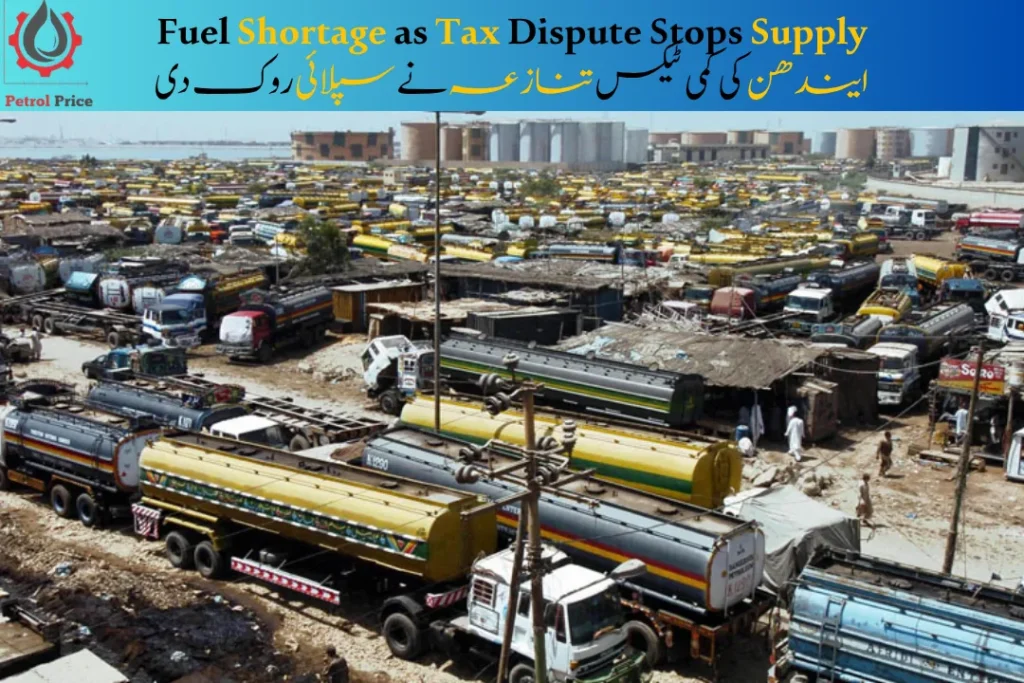
Current Situation of Cargo Stuck at Karachi Port:
With the Pakistani government’s decision to fully enforce IDC payments, several petroleum cargoes have been held up at Karachi Port awaiting clearance.
New Policy : No clearance without upfront IDC payment.
Old Mechanism: Clearance allowed on undertakings with payment settled later.
Impact on petroleum :
Cargo movement is at a standstill and petrol and diesel supplies could be affected nationwide in Pakistan. Petroleum companies have expressed their inability to comply immediately with the 100% bank surity requirement citing heavy financial burdens.
Warn of Fuel Shortages in Pakistan
Market analysts in Pakistan warn that if the stuck cargo is not cleared soon then Pakistan may face severe shortages of petrol and diesel. The country’s fuel supply chain depends heavily on timely port clearance and transportation of imported petroleum products.
experts of industry news also note that delays could trigger:
- Rising petrol and diesel prices due to supply pressure
- Potential disruptions in transport and logistics in Pakistan.
- A chain reaction that will affect industries and consumers
Petroleum Companies Stance
Petroleum firms have called on the federal government to intervene.
Their main concerns include:
- The IDC amount should be included in the price determination formula so the cost can be passed on to consumers.
- Companies cannot bear the additional financial burden alone.
- The government is also demanding previous outstanding dues that are worsening the financial impact.
Without relief companies warn they may not be able to continue regular operations smoothly.
Conclusion
Fuel Shortage as Tax Dispute Stops Supply between the government of Sindh and petroleum companies has escalated into a critical situation that raises fears of a nationwide fuel shortage. Pakistan Sindh government has made IDC payment mandatory through 100% bank surity before cargo clearance halting shipments.
FAQ’s
What is the Infrastructure Development Cess ?
IDC is a provincial tax imposed by the Pakistan Sindh government on imported goods which are entering through the province ports and it was first implemented in 1994.
Why is petroleum cargo stuck at Karachi Port?
The Pakistan Sindh government has made IDC payment mandatory through 100% bank surity before cargo clearance halting shipments.
What are the risks if Fuel Shortage as Tax Dispute Stops Supply in Pakistan and not resolved ?
A Fuel Shortage as Tax Dispute Stops Supply and prolonged delay could cause nationwide fuel shortages of petrol and diesel and supply disruptions and price increases.