
T20 World Cup Clash: India-Pakistan Rivalry Reaches New Tensions
The T20 World Cup Clash: India-Pakistan Rivalry Reaches New Tensions cricket rivalry between India and Pakistan has long been one of most intense in international sport. But in recent months this historic rivalry has twisted into deep diplomatic tension that turning what should be sporting spectacle into political flashpoint especially in the build up to the ICC Men’s T20 World Cup 2026 and The deteriorating relation were shape by series of controversial moments, off field decision and rare threat of boycott that captured global attention.
India-Pakistan Rivalry Reaches that Became Political
T20 World Cup Clash: India-Pakistan Rivalry Reaches New Tensions For decades matches between India and Pakistan have drawn massive global audiences But events since 2025 show this rivalry is no longer just about cricket and In the Asia Cup 2025 off field conduct set the tone for broader tensions and Players from both team were seen exchanging heated word and making politically charged gestures during their match that include references to recent military conflicts and The intensity of the on field behaviour sparked complaint from both cricket boards to the sport’s governing body.
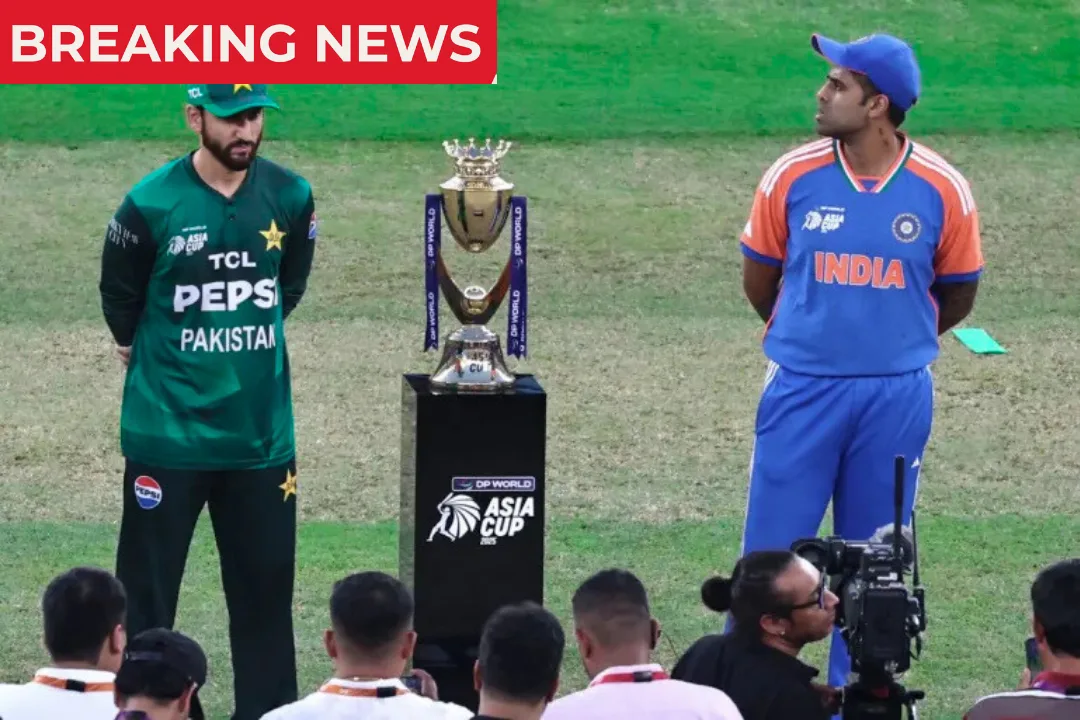
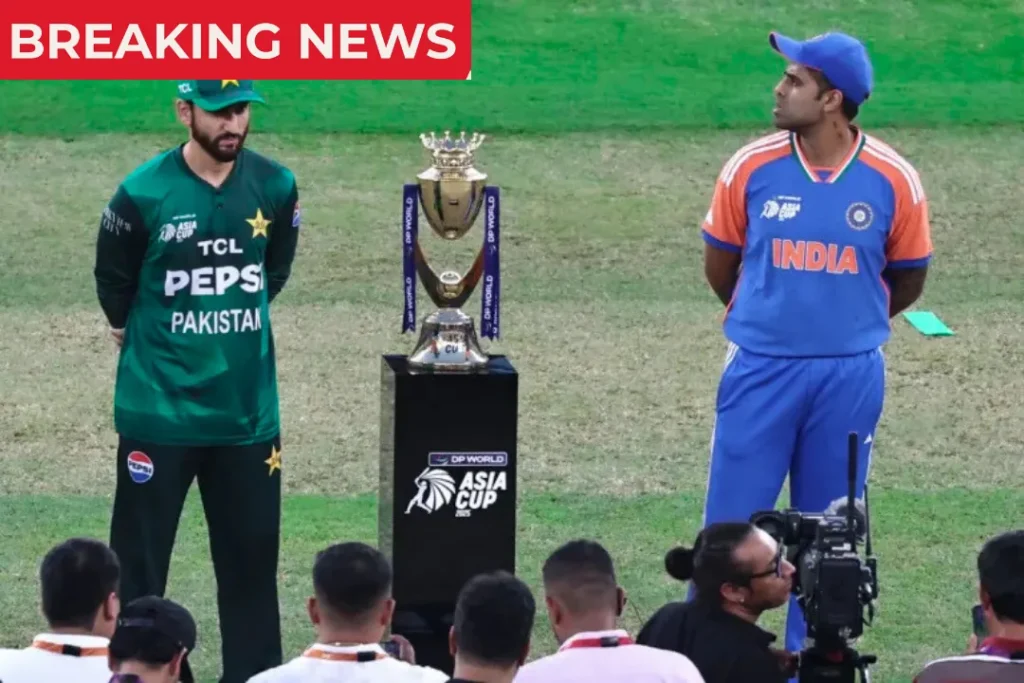
The controversy escalated when India refuse to accept the Asia Cup trophy from the head of the Pakistan Cricket Board and India’s decision to reject the presentation led by Suryakumar Yadav’s team was widely seen as symbolic of the strained environment engulfing the fixture.
Meanwhile Pakistan criticise India for breaking tradition by avoiding pre and post match handshakes and Pakistan’s captain Salman Ali Agha publicly said such actions failed to set a good example for young fans and harmed the spirit of the game.
Boycott Threat Before the World Cup
The tension took an unprecedented turn in early 2026 ahead of the T20 World Cup and The Pakistan government announced that its team would boycott the Group A match against India that was scheduled for 15 February in Colombo. This was linked to diplomatic protests that were broadly supported by Islamabad after Bangladesh was removed from the tournament under controversial circumstances.
Pakistan’s stance was extraordinary: the team would participate in the World Cup and would not take the field against India. Such a move risked severe consequences:
- forfeit would automatically give India two points, affecting competition standings.
- Cricket legend and former player warns that boycott decision would damage the sport’s future and hurt cricket’s reputation globally.
- There were discussions about potential sanction from the International Cricket Council if political interference was found to influence sporting outcome.
The decision drew mixed reaction across cricket communities and Former Pakistan star Basit Ali urged a symbolic protest like playing with black armband instead of skipping the game entirely and Some critics elsewhere emphasised that boycotts undermine the spirit of competition and could dampen future enthusiasm for the sport.
Global Cricket Reacts
The controversy resonated beyond the two nations and International cricket administrators, former players and commentators weighed in:
- Many in the cricket community stress that sport should transcend politics even when political tensions are high.
- Others defend national governments’ right to take stand on geopolitical issues even if the battlefield becomes a cricket pitch.
- The ICC and host nation urged dialogue and compromise to keep the tournament intact and maintain fan engagement worldwide.
Amid pressure from global cricket bodies and media scrutiny Pakistan reversed its boycott decision just days later and agreed to face India in the scheduled match in Colombo and Fans and former players alike welcomed this move noting the importance of preserving competitive integrity.
Read more :T20 World Cup Match: India Crush Namibia by 93 Runs Before Pakistan Clash
India Pakistan narrative around the T20 World
The India Pakistan narrative around the T20 World Cup highlights growing reality sports and geopolitics are deeply intertwined. While fans often hope for cricket to unite, emotional and political divisions have influenced how teams behave and how competitions unfold and Some view these developments as regrettable blurring of sport with statecraft and Others see them as reflection of the broader diplomatic climate between two nuclear armed neighbours with long and complex history.
Conclusion
The rivalry between India and Pakistan has always been bigger than cricket, but the recent events around the ICC Men’s T20 World Cup 2026 show just how closely sport and politics can intertwine. Moments of tension, boycott talks, and symbolic gestures have all added pressure to what should be a celebration of the game.