
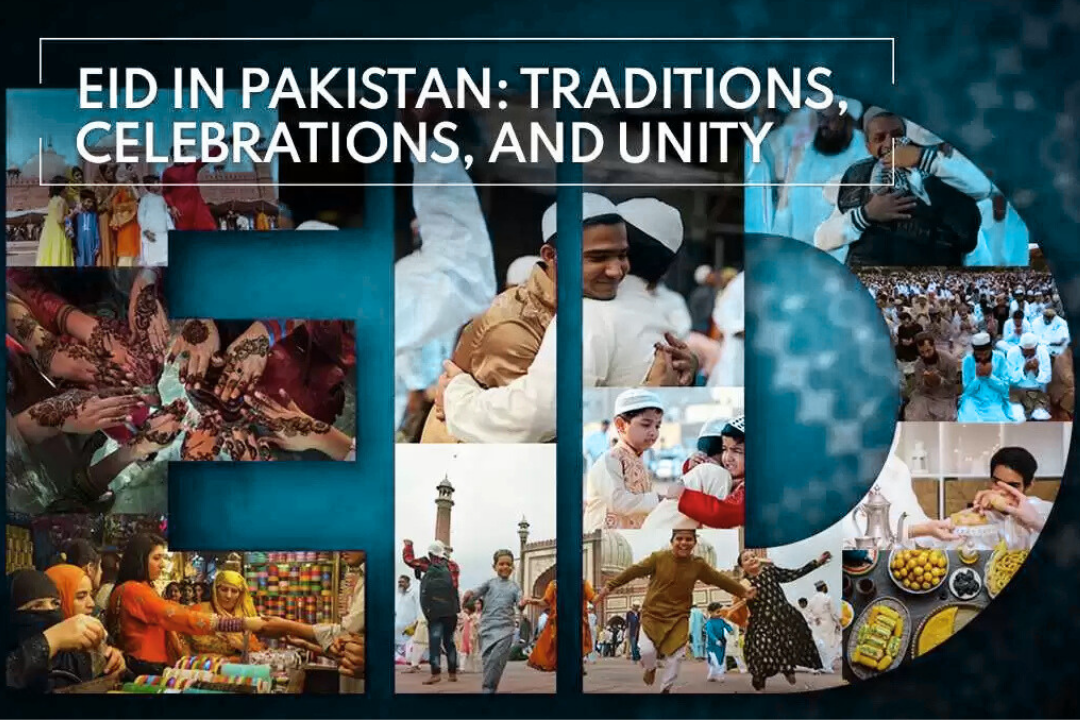
Eid ul-Fitr Celebration of Faith, Culture, and Community
Eid al-Fitr is a special occasion for Muslim and is a time for celebration with family and loved ones. Eid ul Fitr marks the end of the month of Ramadan, a period of month-long fasting for Muslims around the world, and the start of Shawwal, the tenth month in the Islamic (Hijri) calendar.
There are two days out of the year dedicated to a celebration called Eid, in the Islamic (Hijri) calendar. Eid ul-Fitr occurs at the end of the month of Ramadan each year, and Eid al-Adha, which occurs on the 10th, 11th and 12 of Dhul Hijjah, last month of the Islamic year
Read more:punjabi culture of pakistan
When is Eid al-Fitr in 2026?
Eid al-Fitr 2026 is expected to fall on either Thursday 19th March or Friday 20th March 2026, depending on the sighting of the moon.
Unlike the Gregorian calendar we use today, the Islamic calendar operates on the lunar cycle. This means that all significant days in the Islamic calendar appear to shift forward approximately 11 days each year. Therefore, the sighting of the moon determines the end of the month-long period of Ramadan and the beginning of Eid.As with each day in the Islamic calendar, the next day begins after Maghrib prayer (just after sunset) of the same day. Eid begins after the moon has been sighted.
How many days is Eid al-Fitr 2026?
Eid ul-Fitr lasts for one day, and is expected to take place on either Thursday 19th March or Friday 20th March 2026, depending on the sighting of the moon. In the Islamic calendar, Eid al-Fitr takes place on the first day of Shawwal. This is the day in which Eid prayers take place, and it is forbidden to fast.
However, in many Muslim countries,click here the celebrations of Eid ul-Fitr can last for up to three days. These days are usually public holidays, in which families and friends gather and celebrate the end of a month of fasting.
Eid al-Fitr differs from Eid al-Adha, which is unanimously celebrated for three days.
Read more :Culture of pakistan
What to do on Eid al-Fitr?
Eid is a time for celebration with family and loved ones. Furthermore, it is a period of rest and good tidings! There are many virtues to the day. Therefore, Muslims are encouraged to do many things when celebrating Eid, such as:
- Pray Eid prayer. Every Muslim is encouraged to pray Eid prayer in congregation with their fellow Muslim community to thank Allah (SWT) and enjoin in good. Click here to read how to pray Eid prayer.
- Take a different route to and from Eid prayer. It is the Sunnah of the Prophet (peace be upon him) to travel to the Eid prayer using one route and return home using a different direction. It was narrated by Jabir bin Abdullah:
- On the Day of Eid, the Prophet (peace be upon him) used to return after offering the Eid prayer through a way different from that by which he went.
Hadith | Sahih al-Bukhari
- Wear your best clothes and smell good! This is a day that all are encouraged to perform a ritual ablution, wear their best clothes, smell good, and gather together in community to bring in the celebration.
- Share gifts and glad tidings. Share in the celebration of a day ordained by Allah!
- Make Du’a and engage in Ibaadah (worship) and sunnah acts of worship. This is encouraged all year round and especially on days that draw us closer to Allah.
How to prepare for Eid ul-Fitr
It’s important to be prepared for Eid, and that includes paying Zakat al-Fitr. Zakat al Fitr (also known as Fitrana) is a charitable donation of food that must be given before Eid prayer, before the end of the month of Ramadan, for the love of Allah. Zakat al-Fitr is compulsory upon every self-supporting adult Muslim who has food in excess of their needs, on behalf of themselves and their dependants.
The spirit of giving and charity
A core element of Eid al-Fitr is giving charity. Zakat al-Fitr is an act of charity given by Muslims before the Eid prayer. It is intended to ensure that the poor and those in need can also participate in the festivities of Eid. The amount given is typically a small portion of food or money, based on the individual’s ability, and it plays a crucial role in fostering a sense of community and solidarity among Muslims. It also helps ensure that everyone can enjoy the Eid celebrations, regardless of their financial situation.
Empathy, compassion, and community support
While Eid al-Fitr is a time of joy and celebration, it is also a reminder of the values of empathy, generosity, and community support that define Ramadan. Throughout the holy month, Muslims experience hunger and restraint, allowing them to empathise with the less fortunate and understand the struggles of those who go without. This spirit of compassion and giving continues on Eid, as communities ensure that no one is left behind in the festivities.
Conclusion
Eid al-Fitr is a festival that is celebrated by Muslims all over the world. Although the basic rituals and traditions of Eid are the same across the globe, each country and culture has its unique customs and practices. Whether it is preparing traditional dishes, buying new clothes, or visiting relatives, Eid is a time of joy, forgiveness, and celebration.