
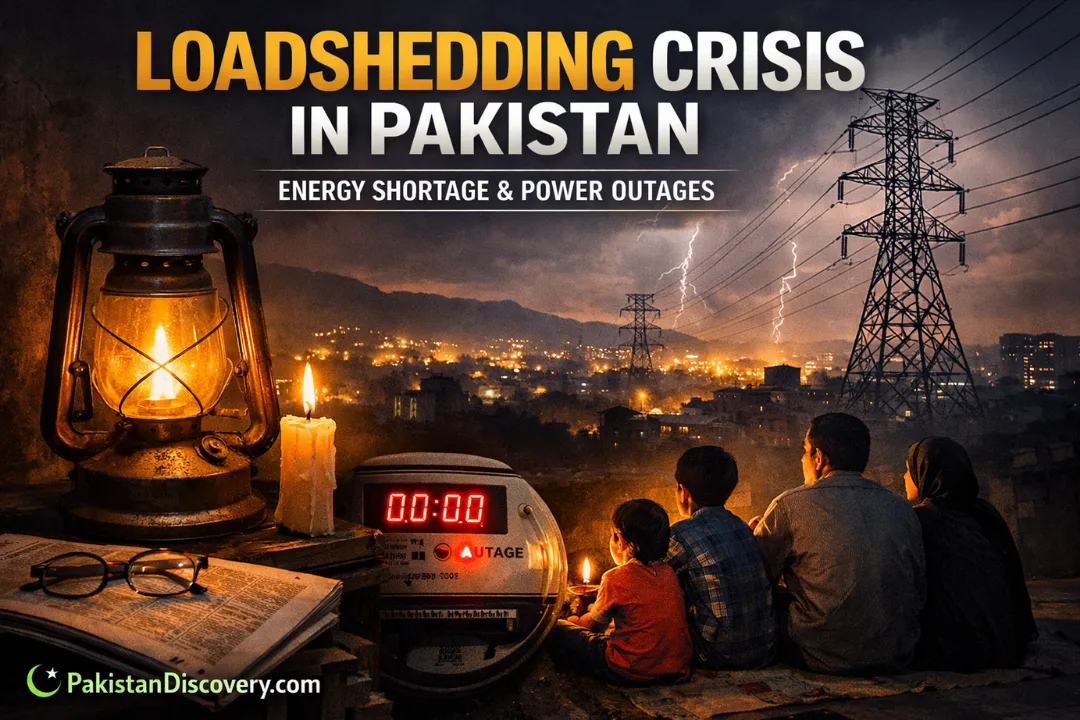
Loadshedding Crisis in Pakistan 2026
Pakistan is once again facing a severe electricity crisis as rising temperatures increase power demand across the country. Unannounced loadshedding has intensified in many cities, disrupting daily life and economic activities. The government, however, has promised relief measures to stabilize the situation.
Current Loadshedding Crisis in Pakistan 2026 Situation
The electricity shortfall in Pakistan has crossed 4,000 megawatts, leading to extended power outages nationwide. Major cities are experiencing long hours of loadshedding:
- Karachi: Up to 10 hours daily
- Rawalpindi: 8 to 10 hours
- Islamabad: Around 6 hours
- Lahore: 5 to 6 hours
- Peshawar: 6 hours (urban) and up to 14 hours (rural)
These outages have affected households, businesses, and industries alike.
Read more : Upcoming Petrol price in Pakistan from 28 April 2026
Reasons Behind the Power Crisis
Several key factors are contributing to the worsening situation for Loadshedding Crisis in Pakistan 2026 are given:
1. Rising Electricity Demand
Hot weather has significantly increased electricity consumption, especially due to air conditioners and cooling systems.
2. Fuel and LNG Shortage
Pakistan is facing shortages of liquefied natural gas (LNG), which has reduced power generation capacity.
3. Decline in Hydropower
Hydropower production has dropped by around 1,600 MW, adding to the supply gap.
4. Global Energy Crisis
International fuel supply disruptions have impacted Pakistan’s energy imports, increasing dependency on costly alternatives.
Government’s “Relief Strategy”
The government has introduced a “Peak Relief Strategy” to manage electricity demand and prevent a sharp rise in power tariffs.
- Around 2.25 hours of scheduled outages during peak hours (5 pm to 1 am)
- Focus on reducing reliance on expensive fuel-based generation
- Efforts to distribute loadshedding equally across regions
Authorities claim this step will help avoid an increase of up to Rs. 3 to 6 per unit in electricity prices.
Power Minister’s Statement
Federal Power Minister Awais Leghari assured the public that:
- Electricity supply would improve gradually
- Additional power plants may be restarted
- Renewable energy (especially solar) will be promoted
- Loadshedding will reduce as hydropower generation increases
Impact on Daily Life and Economy
The ongoing loadshedding is having widespread effects:
- Businesses facing production losses
- Students struggling with studies
- Increased use of generators and UPS systems
- Public frustration due to unannounced outages
Future Outlook
The situation is expected to improve if:
- Hydropower production increases
- LNG supply stabilizes
- Renewable energy projects expand
However, without the long term reforms Pakistan may continue to face recurring power crises.
Conclusion
The Loadshedding Crisis in Pakistan 2026 highlights deep structural issues in the energy sector. While the government’s short-term measures aim to provide relief, sustainable solutions such as investment in renewable energy and better energy management are essential. Until then, citizens may continue to face power outages, especially during peak summer months.
FAQ’s
1. Why is loadshedding increasing in Pakistan?
Loadshedding is increasing due to high electricity demand, LNG shortages, and reduced hydropower generation.
2. How many hours of loadshedding is expected?
It varies by city, ranging from 5 to 14 hours daily in some areas.
3. What is the Peak Relief Strategy?
It is a government plan involving 2.25 hours of scheduled outages to control electricity costs and demand.
4. When will loadshedding end in Pakistan?
Authorities say the situation may improve as hydropower and fuel supplies stabilize, but no exact timeline is confirmed.
5. Which cities are most affected?
Karachi, Rawalpindi, Lahore, Islamabad, and Peshawar are among the most affected cities.