
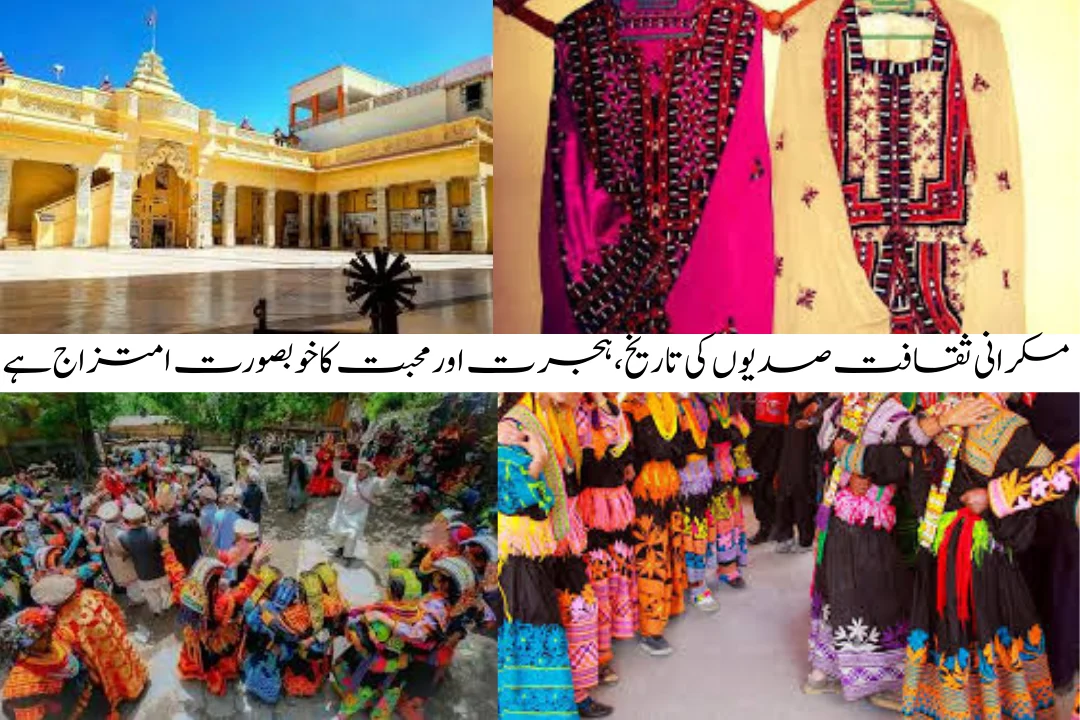
Makrani Culture of Pakistan
Pakistan cultural diversity is beautiful highlighted by the Makrani community group with one of the most unique and historically rich identities in South Asia. The Makrani culture of Pakistan live mainly along the Makran coastal belt of Balochistan that include Gwadar, Pasni, Ormara and Turbat and in major urban centers like Karachi especially Lyari, Malir and Keamari. Their culture is a blend shaped by African ancestry, Baloch traditions, Arab influences and coastal living giving them a distinct identity that sets them apart in Pakistan’s cultural mosaic.
پاکستان کی ثقافتی تنوع کی خوبصورتی مکّرانی برادری کے ذریعے واضح ہوتی ہے، جو جنوبی ایشیا کی سب سے منفرد اور تاریخی طور پر مالا مال شناختوں میں شمار ہوتی ہے۔ پاکستان میں مکّرانی ثقافت زیادہ تر بلوچستان کے مکّران ساحلی علاقے میں آباد ہے، جن میں گوادر، پسنی، اورمڑہ اور تربت شامل ہیں، اور بڑے شہری مراکز جیسے کراچی کے علاقوں لیاری، ملیر اور کیماڑی میں بھی مکّرانی کمیونٹی نمایاں ہے۔ یہ ثقافت اپنے تاریخی ورثے، روایات اور منفرد طرزِ زندگی کے لیے مشہور ہے۔
Historical Background of Makrani Culture of Pakistan
African Ancestry
Historical data suggests that many Makranis trace their roots back to East African coastal regions such as:
Zanzibar
Kenya
Tanzania
Somalia
From 7th century to onward African sailors, traders, fishermen and workers traveled across the Arabian Sea. Some settle permanent on the Makran coast where they intermarried with local Baloch tribes. Historical Arab records also mention African guards and sailors working in ports like Gwadar.
Arab Influence : During early Islamic expansion, Arab merchants and travelers settled in Makran. This brought Arabic words in local language
Arab-style coastal cooking
Seafaring knowledge
Balochi Cultural Integration
Over time Makranis absorbed major aspects of the dominant Baloch culture including:
Language (Balochi)
Clothing
Social structure
Traditional customs
Makrani culture today reflects African rhythm + Balochi tradition + Arab heritage + coastal lifestyle.
Geographical Distribution (Data-based)
Makrani population is concentrated in:
Balochistan Coastal Districts
Gwadar (largest Makrani presence)
Pasni
Ormara
Jiwani
Turbat
Pishukan
Urban Cities: Karachi (Lyari, Malir, Keamari)
Quetta (small communities)
Lyari alone is estimated to have one of the largest African descent populations in South Asia mostly Makranis.
Language and Communication
Makranis speak multiple languages such as:
Balochi (dominant)
Makrani dialect (contains African intonation)
Urdu
Sindhi
Arabic origin words in some coastal areas
Their speech has a distinct rhythm, influenced by African languages.

Dishes of Makran
Makrani Biryani is Extra spicy rice with fish, beef which is known for bold flavor.
Tandoori Fish is a Whole fish marinated in red spices and cooked in a tandoor.
Dampukht is a Slow cooked meat with minimal spices, traditional Balochi African fusion dish.
Grilled Shrimp is Cooked over coal, using coastal spices.
Makrani Chutney is Very spicy, made with herbs, peppers and lemon. Their cooking method relies on the Coal grilling Sun and drying fish Using sea and salt Native herbs
Makrani Clothing & Appearance
Men
Men wear Loose shalwar kameez and Light cotton fabrics (coastal weather) or Caps or turbans and Simple sandals.
Women
Makrani Women wear Bright clothes with bold colors African style bead jewelry and Shell based ornaments and Embroidered scarves and Gold nose rings and bangles
Makrani women’s dressing reflects a blend of African and Balochi art.
Music and Dance
Makrani music is one of the strongest evidences of African heritage in Pakistan.
Key Musical Elements include Heavy drum beats and Rhythmic clapping and Group singing performance and Repetitive chants
Famous Makrani Dance: Leiwa (Lewa, Laywa)
Makrani famous dance Performed at weddings and festivals which is Considered an African-origin dance where Uses special drums called “Dhol” and “Naggara” that Has synchronized movements involving dozens of dancers
Leiwa symbolizes unity, history, community power and celebration.
Social Life and Values
Makranis live in highly family centered and community based environments.
They value:
Respect for elders
Hospitality
Collective celebration
Helping neighbors
Loyalty
Courage
Their society is built on mutual support, especially in coastal towns.
Religious and Cultural Practices
Most Makranis are Muslims. They celebrate:
Eid-ul-Fitr
Eid-ul-Adha
Urs (spiritual festivals)
Local sea-related rituals
Wedding festivals
Their weddings are extremely energetic with Leiwa dance and Drum circles Singing and also Traditional seafood feasts
Occupations and Livelihood
Traditionally Makranis worked as:
Fishermen
Sailors
Port laborers
Boat makers
Sea traders
Guards for ships
Modern Makranis also excel in:
Football (Lyari produces national-level players)
Boxing
Music
Government jobs
Business
Transportation industry
Lyari is often called “Pakistan’s Football Factory” due to Makrani and Balochi youth talents.
Makrani Culture of Pakistan in Lyari
Lyari, Karachi is home to Pakistan’s largest Makrani community.
Lyari is known for:
Football stadiums
Boxing clubs
Famous singers
Street art
Biryani and seafood shops
Strong community identity
Lyari is often referred to as: “Little Africa of Pakistan” because of Makrani presence and African-influenced traditions.
Read more : Chitrali Culture of Pakistan
Importance of Makrani Culture in Pakistan
Makrani culture contributes significantly to Pakistan through:
Cultural Diversity
It represents African heritage blended with Pakistani traditions.
Music & Arts
Makrani Leiwa is a cultural treasure of Pakistan.
Sports
Makrani athletes have represented Pakistan internationally.
Fishing Economy
They are backbone workers of:
Gwadar port
Karachi fisheries
Coastal trade routes
Tourism
Their traditions, seafood and dance attract domestic and foreign visitors.
Conclusion
Makrani culture of Pakistan is one of the most unique, vibrant and historically rich cultural identities that is Shaped by African roots, Baloch customs, Arabian Sea traditions and Pakistani values. Makranis contribute to the country in countless ways through music, sports, coastal industries and community heritage. They are a proud symbol of diversity, resilience and cultural beauty in Pakistan.